


-

Add: HeBei ShengShi HongBang Cellulose Technology CO.,LTD.
-

Email
13180486930@163.com -

CONTACT US
+86 13180486930
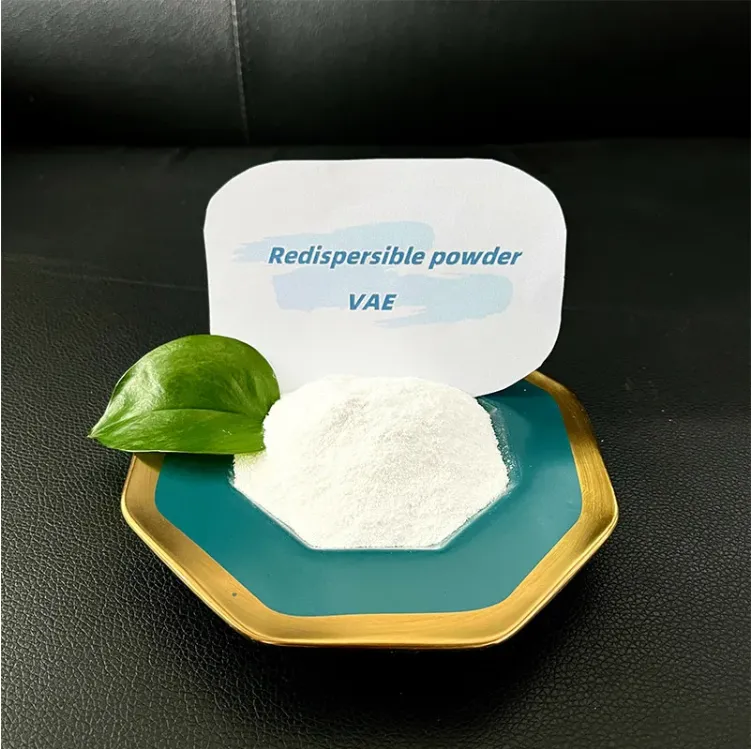


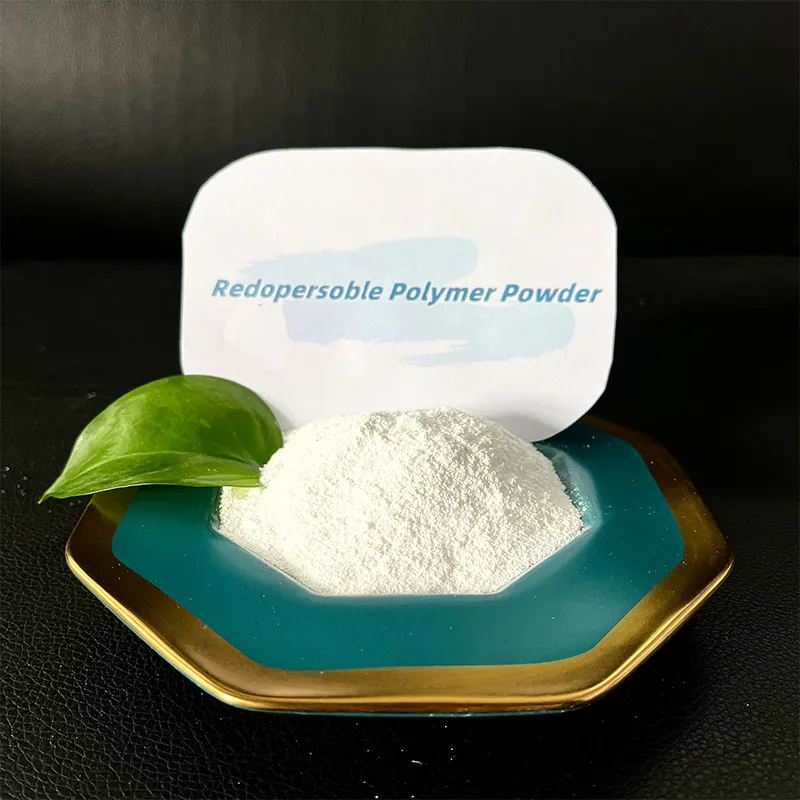



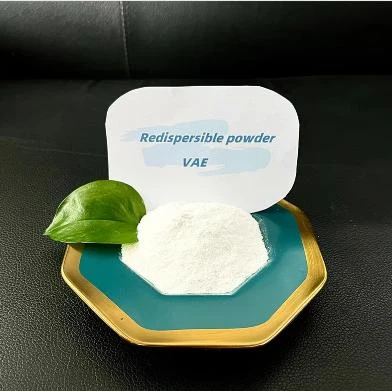
Understanding the Price of Dispersible Polymer Powder Trends and Implications The global market for dispersible polymer powders has seen significant growth over the past few years, driven by various factors including advancements in technology, evolving consumer preferences, and increasing applications across different industries. Dispersible polymer powders are widely used in construction, paints, coatings, adhesives, and even in the cosmetic industry due to their excellent binding properties and ability to create stable emulsions. Understanding the price dynamics of these products is essential for manufacturers, suppliers, and consumers alike. What Are Dispersible Polymer Powders? Dispersible polymer powders are dry powders that can be easily re-dispersed in water to form stable dispersions. They are primarily used to enhance the performance of various formulations in the construction sector, particularly in tile adhesives, mortars, and other construction materials. These polymers improve adhesion, flexibility, and water resistance, making them a vital component in modern construction projects. Factors Influencing the Price of Dispersible Polymer Powder 1. Raw Material Costs The price of dispersible polymer powders is significantly influenced by the cost of raw materials. As oil prices fluctuate, the cost of petroleum-based raw materials can impact production costs for polymer manufacturers. Additionally, the availability of renewable raw materials can also play a crucial role in price determination. . 3. Market Demand The demand for dispersible polymer powders is on the rise due to the increasing construction activities and the growing reliance on high-performance materials. This demand pushes prices upward, especially in regions experiencing rapid urban development. سعر مسحوق البوليمر القابل للتشتت 4. Global Supply Chain Issues Recent global events have highlighted the fragility of supply chains. Disruptions caused by the COVID-19 pandemic, geopolitical tensions, or natural disasters can lead to shortages of raw materials, subsequently increasing prices. These supply chain complexities necessitate careful monitoring and strategic planning by companies involved in the market. 5. Sustainability Trends With an increasing emphasis on sustainability, many companies are investing in producing eco-friendly dispersible polymer powders. While these green alternatives may initially have higher production costs, the long-term benefits and rising consumer demand for sustainable products may justify the higher price point. Current Market Trends As of 2023, the dispersible polymer powder market has experienced moderate growth. Market analysts predict that this trend will continue as developing economies focus on infrastructure development and renovation projects. Moreover, there is a noticeable shift towards higher performance and specialty dispersible polymers, catering to specific applications, which may come at a premium price. Conclusion Understanding the pricing of dispersible polymer powders is crucial for stakeholders across the industry. The interplay of raw material costs, technological advancements, market demand, supply chain dynamics, and sustainability trends shapes the landscape of this market. As the global economy moves forward, it will be important for manufacturers and consumers to remain agile and adapt to these changing trends. For businesses involved in the production or application of dispersible polymer powders, keeping abreast of market trends and pricing dynamics will not only ensure competitiveness but also allow for better strategic planning and investment decisions. Moreover, as sustainability becomes a focal point in various industries, those who invest wisely in eco-friendly alternatives may not only help the environment but also capture a growing segment of environmentally conscious customers.
- 40000tons

Production
- 20+years

Experience
- 5000+㎡

Acreage

-
Delving into the realm of skincare often feels like navigating a maze, replete with a plethora of ingredients scientifically engineered to enhance and rejuvenate skin. Among these, hydroxypropyl methylcellulose (HPMC) emerges as a significant player , offering transformative benefits and capturing the interest of skincare enthusiasts and professionals alike. Known commonly for its thickening properties in food and pharmaceuticals, HPMC's adaptation into skincare products underscores a fascinating intersection of science and beauty. The efficacy of HPMC in skincare is primarily rooted in its unparalleled ability to hydrate and protect the skin. By forming a protective barrier on the skin’s surface, HPMC locks in moisture, catering to those plagued by dryness and irritation. This protective layer not only prevents water loss but also shields the skin from environmental aggressors, such as pollutants and UV radiation, thereby enhancing skin resilience and appearance. Dermatologists and skincare experts frequently laud HPMC for its hypoallergenic nature. Unlike many synthetic compounds, HPMC is derived from cellulose, a natural polymer found in plant cells. This origin makes it biodegradable and generally well-tolerated by even the most sensitive skin types, addressing the growing consumer demand for both efficacy and safety in skincare formulations. Incorporating HPMC into skincare routines has shown remarkable results, especially in products designed to soothe and calm the skin. Its unique structural composition enables it to mimic the skin’s natural barrier, thereby aiding in repair processes. Products containing HPMC are thus ideal for individuals with compromised skin barriers, such as those suffering from eczema or dermatitis, where maintenance of skin integrity is paramount. For consumers seeking anti-aging benefits, HPMC offers an enticing proposition. Its moisture-retaining properties significantly contribute to plump, youthful-looking skin, helping to smooth fine lines and wrinkles. The ability of HPMC to enhance the stability and delivery of active ingredients in formulations cannot be overlooked, making it a prized ingredient in serums and creams targeting signs of aging. hydroxypropyl methylcellulose skin care The versatility of HPMC extends beyond hydration and barrier protection. Its application in skincare products often enhances the texture and spreadability of creams and lotions, which improves user experience and product application. This versatility allows formulators to create products that not only deliver effective skincare solutions but also provide a luxurious sensory touch that consumers adore. Skincare professionals, backed by clinical studies, emphasize that the inclusion of HPMC in skincare formulations is a testament to its multifunctional advantages. Moreover, its compatibility with a wide range of ingredients facilitates active synergy, enhancing the overall efficacy of the formulation. This adaptability ensures that HPMC-enriched products can be tailored to specific skincare needs, be it hyperpigmentation, uneven texture, or basic hydration. Trust in HPMC-infused skincare comes from years of insightful research and development. Reputable brands relying on evidence-based science continue to innovate with HPMC, bringing forth products that embody expertise in formulation and meticulous attention to consumer safety. Transparency in formulation and an unwavering commitment to quality assure consumers of the credibility and authority of HPMC-based skincare products. Ultimately, as awareness and understanding of ingredient profiles grow among consumers, the appreciation for HPMC in skincare is likely to escalate. Seen as a bridge between scientific precision and natural efficacy, HPMC carves a niche in the ever-evolving landscape of skincare. For those embarking on a skincare journey prioritizing hydration, protection, and skin health, products featuring hydroxypropyl methylcellulose present a compelling choice, blending innovation with reliable skincare benefits.
-
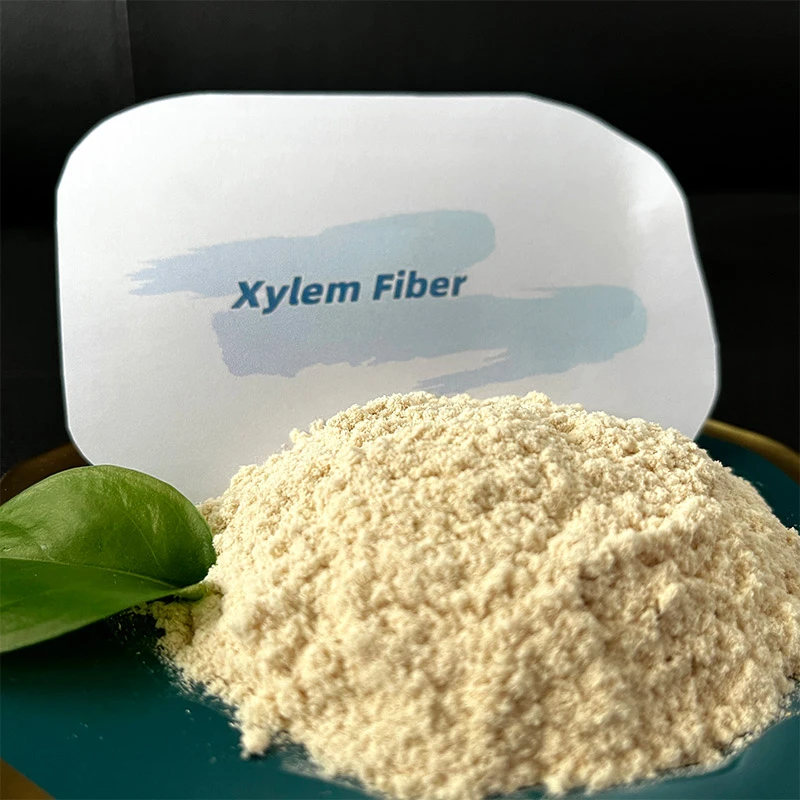
Hydroxypropyl Methylcellulose (HPMC) is a versatile compound with extensive applications across various industries . Renowned for its binding, thickening, and emulsifying properties, HPMC’s contributions to product enhancement and consistency are substantial. This article explores the diverse applications of HPMC, drawing insights from industry experts and user experiences to highlight its role in modern manufacturing and product development. In the construction industry, HPMC is a vital component in the formulation of high-performance building materials. Experts assert that its water retention ability significantly extends working time and improves the adhesion of cement-based products, leading to superior structural finishes. This is particularly valuable in plastering and tile adhesive applications, where product reliability and consistency are paramount. Construction professionals with years of field experience attest to the enhanced workability and strength of structures when HPMC is integrated. The pharmaceutical sector also capitalizes on the benefits of HPMC, where it serves as a key excipient in oral drug formulations. Industry specialists emphasize its non-toxic, biocompatible nature, making it an ideal candidate for controlled-release drug delivery systems. By managing the rate at which active ingredients are released, HPMC ensures therapeutic efficacy and optimizes patient outcomes. Pharmacists and formulators regard HPMC as a cornerstone in creating effective, predictable, and patient-friendly pharmaceutical products. In the personal care and cosmetics industry, HPMC is prized for its role in stabilizing formulations, providing a silky texture, and enhancing the spreadability of creams and lotions. Skincare formulators acknowledge HPMC's capacity to improve product stability while maintaining skin-friendly attributes. The expertise of cosmetic chemists underscores HPMC’s effectiveness in forming protective films over the skin, retaining moisture and delivering active ingredients effectively. Consumers appreciate the tangible improvements in product feel and performance, leading to increased trust in HPMC-enhanced brands. hpmc applications Furthermore, in the food industry, HPMC is utilized as a dietary fiber source and as a texture enhancer in low-fat and gluten-free products. Nutritionists and food scientists appreciate its ability to mimic the texture and mouthfeel of fats and gluten, providing healthier alternatives without compromising on consumer experience. The authoritative voices in food science endorse HPMC as a pivotal ingredient in meeting the growing demand for health-conscious food options. Window into academic perspectives, numerous studies validate HPMC's versatile applications and its positive impact on product quality and consumer satisfaction. It is this confluence of practical experience, professional expertise, and scholarly research that underscores HPMC’s position as a credible, trustworthy ingredient across diverse sectors. To summarize, the applications of HPMC are as broad as they are crucial, affecting a wide array of products ranging from construction materials to pharmaceuticals, cosmetics, and food. Its reliability, proven by extensive use and expert validation, renders HPMC an exemplary model of effective, multifunctional ingredient use in manufacturing. The cumulative experience of industry experts affirms HPMC's integral role in supreme product performance, marking it as an authoritative choice for manufacturers committed to quality and consumer trust.
advantages
-

200000 Viscosities
Excellent product
We can produce pure products up to 200,000 viscosities
-

40000 tons
High yield
We don’t stop production all year round, and the annual output can reach 40,000 tons
-

24 hours
Quality service
We provide 24-hours online reception service, welcome to consult at any time
———— Inquiry Form
Schedule A services


-
 fabricantes_de_fibra_de_pp
Oct . 25, 2025
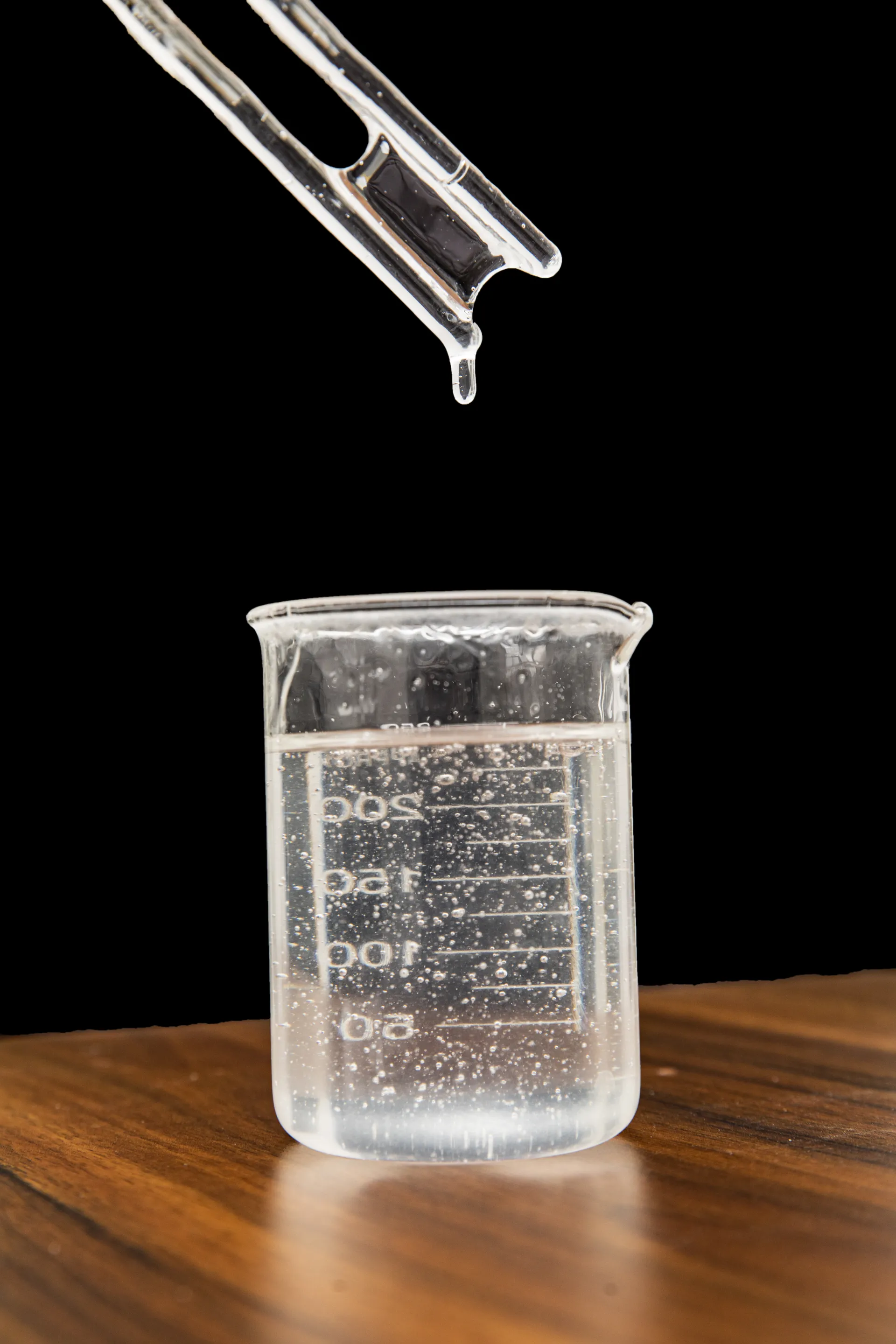
Methylcellulose is increasingly gaining attention in the realm of ophthalmic products due to its ver -
 retaine_hpmc_drops
Oct . 25, 2025
Long glass fiber reinforced polypropylene is revolutionizing the way industries approach manufacturi - concrete_fibre_reinforcement
Oct . 25, 2025
The Role of Modified Starch in Food and Industrial Applications Modified starch has become a signifi


